
Play and Creative Arts Therapist & Animal Assisted Services. World Storytelling Day.
By SCAS Communications Officer, Judith Bellingham
Animals, Stories, and Emotional Connection
Stories have always helped humans understand the world passing on values, exploring emotions, and offering space for reflection. On World Storytelling Day (March 20th), it’s worth recognising the enduring role animals play in storytelling, particularly in supporting empathy, compassion, and emotional growth.
Across cultures and centuries, animals have appeared in narratives not just as characters, but as symbolic guides. They allow us to explore difficult experiences at a safe distance. Discussing a fox’s fear or a pony’s courage can feel far easier than confronting our own emotions directly which is why animal storytelling continues to hold therapeutic value today.
A Tradition Across Time
From ancient oral traditions to written literature, animal stories have long been used to teach and support understanding:
Aesop’s Fables (c. 600 BCE) — Stories such as The Tortoise and the Hare used animals to explore pride, patience, and perseverance. By projecting human flaws onto animals, listeners could reflect on their own behaviour without feeling personally confronted (Gibbs, 2002).https://Aesop's Fables
The Panchatantra (India, c. 200 BCE) — A collection of animal tales designed to teach emotional intelligence, leadership, and practical wisdom, frequently used to prepare young audiences for moral complexity (Ryder, 1925/1995). https://Panchatantra
Jataka Tales (Buddhist tradition) — Narratives of the Buddha’s past lives in animal form offered spiritual and ethical reflection, sometimes helping listeners cope with suffering and moral dilemmas (Appleton, 2010).https://jatakastories
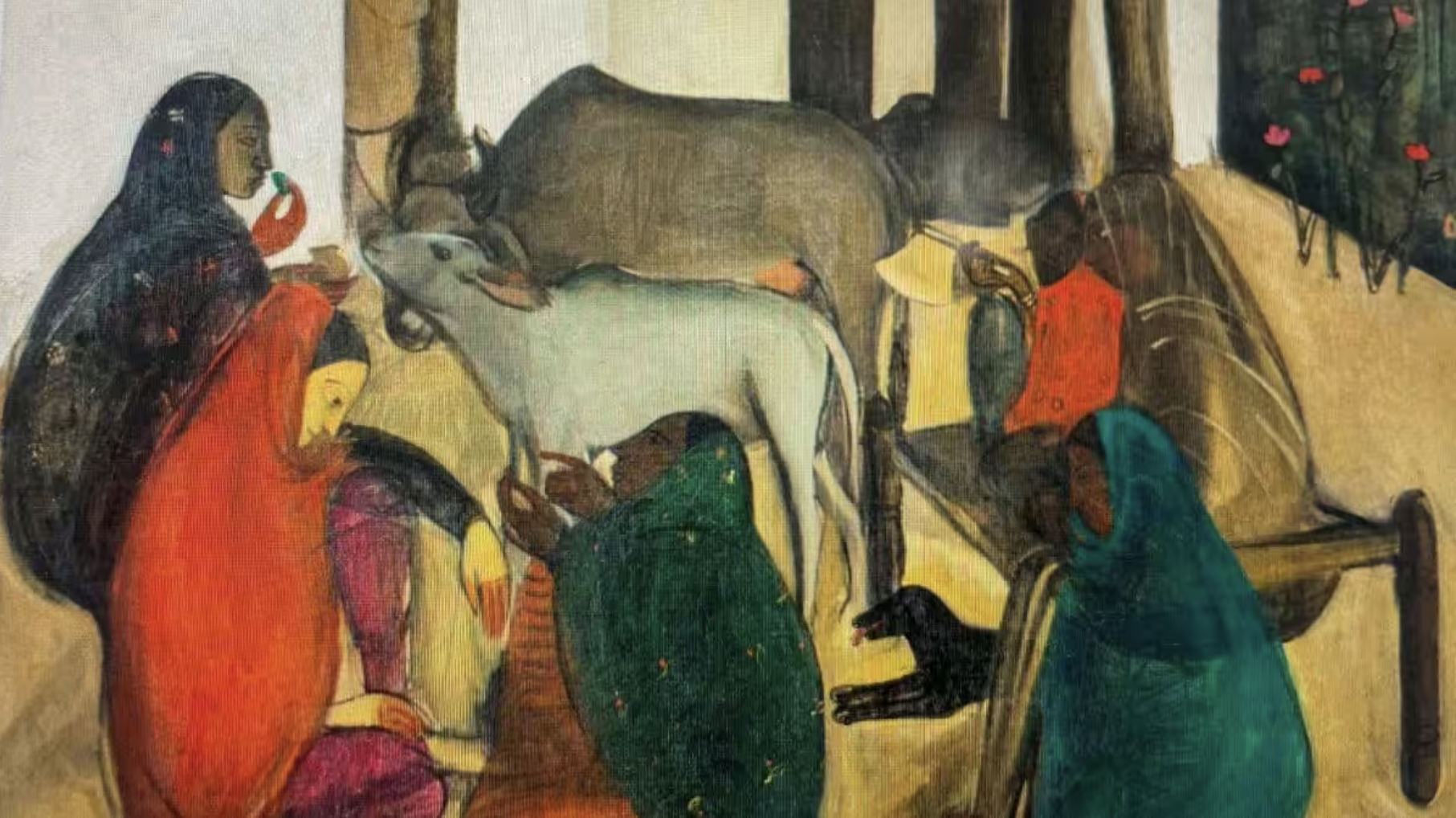
Later, medieval allegories and morality tales continued this approach, encouraging ethical reflection and personal insight. By the nineteenth and twentieth centuries, psychology began recognising storytelling’s developmental importance and children’s literature featuring animals from Beatrix Potter's tales of animal characters to A.A. Milne's Winnie-the-Pooh stories created relatable ways to explore belonging, anxiety, and friendship in ways that were both engaging and symbolic (Nikolajeva, 2010).
Early child psychologists noticed that children often projected their own feelings onto fictional animals. A timid rabbit could become a vessel for fear, a brave bear for courage, allowing emotions that might otherwise remain unspoken to emerge safely. By the mid-twentieth century, these observations were formalised into therapeutic practices incorporating storytelling into Bibliotherapy, Play and Narrative Therapy approaches using animal metaphors, puppets, or story characters to help children process trauma, grief, or behavioural changes helping children express difficult feelings safely.
Storytelling in Contemporary Practice
Combined approaches integrate animal-assisted services and storytelling to reinforce empathy, connection, and emotional regulation. Digital media and illustrated therapeutic books have broadened access, yet the underlying principle remains constant emotional safety through symbolic distance. Animals serve as safe intermediaries - symbolic enough to create emotional distance, yet relatable enough to invite reflection. As narrative therapy pioneers Michael White and David Epston (1990) emphasised, stories and the animals within them become bridges between inner experience and outward expression. When animals take the lead in a story, people can reflect on their own experiences without feeling exposed or overwhelmed. A frightened rabbit, a protective bear, or a lonely wolf can express emotions that might be hard to name directly. Through these characters, empathy and self-understanding begin to grow naturally.
Dr Margot Sunderland is a British child psychologist, psychotherapist and author of The Science of Parenting book which won first prize in the British Medical Association Book awards 2007, emphasises that storytelling is not just a creative tool as it is neuropsychologically informed. Metaphorical narratives engage emotional processing pathways and help children integrate difficult experiences (Sunderland, 2006). The work of Dr Sunderland can be found at the Child Mental Health Centre.
Compassion-focused practice further illustrates storytelling’s relational potential. Lesley Winton’s charity Fostering Compassion Scotland demonstrates how animal-centred storytelling and interaction can foster empathy and emotional expression among children and young people.
Why Animals Matter
Animal-centred storytelling remains widely used in clinical, educational, and community settings because it offers:
Emotional safety through symbolic distance
Universal relatability across cultures
Creative expression of inner struggles
Strong engagement, especially for children
These qualities make it a powerful tool for emotional processing and compassion-building.
Reflection from Practice: Stories as Bridges
The power of animals in therapy isn’t new. Boris Levinson was the first professionally trained clinician to formally document how companion animals could accelerate rapport between therapist and patient, increasing engagement and motivation and building that relational safety and connection (Levinson, 1997).
Over the past fifteen years, I’ve worked with children from diverse backgrounds some with early Developmental Trauma (Van der Kolk, 2015; Van Der Kolk, 2003) , others struggling with low self-esteem and confidence. One truth has remained consistent: animal-assisted approaches whether involving real animals or symbolic representations allow children to connect deeply, helping them process both pain and joy in transformative ways.
I first met Lucy when she was four. Her opening words were, “My daddy doesn’t want to know me.” As the youngest child of a single mother facing multiple mental health challenges, Lucy was remarkably lively and compassionate, often caring for others despite her own needs.
By age seven, Lucy’s challenges became more visible. She maintained exemplary behaviour at school and carefully managed her emotions yet remained socially isolated. Time spent with animals grooming, feeding, or simply being alongside them combined with creative arts and play therapy, began to unlock deeper emotional insights. Animals offered a safe intermediary through which Lucy could express authentic feelings beyond her carefully maintained composure.
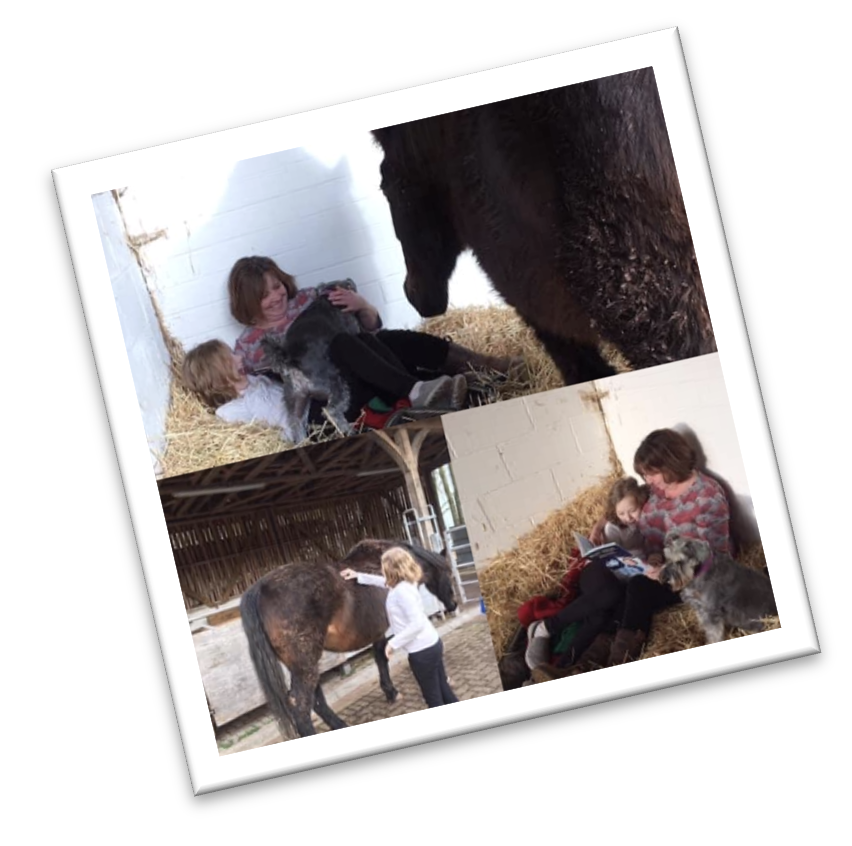
Drawing on therapeutic storytelling principles and Lucy’s affinity for ponies and familiar fictional narratives, a personalised story was created to mirror her experiences, validate her emotions, and provide a symbolic framework for processing her world. This is an example of how animal-assisted storytelling bridges emotional distance, allowing children to explore complex feelings safely, strengthen empathy, and foster meaningful growth.
Therapeutic Story: Luna Stops Pretending
(*An alicorn is a mythical creature that is a winged horse with a horn)
(Written by J Billingham & E Cox 2021)
Once upon a time in a magical far away land
Lived Luna the *Alicorn in a kingdom so grand!
She was clever and kind and a beautiful blue
Her wings and her horn even sparkled when she flew
Luna lived with her mummy and sister Celeste
And she had lots of magical friends that were simply the best
Some were like Luna with sparkly wings and glittery horns
And some were earth ponies and some unicorns
But one special friend stood out from the crowd
Luna thought she was the cleverest Alicorn around
Pinkypie was her name she was kind and wise
And Luna loved that she was the only Alicorn with glittery eyes!
Luna knew that Pinkypie was the bestest ever indeed
Because she listened and helped whenever she was in need
Luna loved Pinkypie with all of her heart
And Pinkypie loved Luna she thought she was beautiful and smart
One day mummy explained the important jobs that Luna and Celeste must do
“Because in the magical kingdom they are relying on you”
“Celeste”, mummy explained “you must bring the sun up to shine
And Luna you are in charge of the moon at night time”.
So, each and every morning, Celeste used all her magical powers
To make the sun rise in the sky, and shine over the flowers.
The beautiful sunshine turned night into day,
Helped the bees and the birds, and the unicorns play
At the end of each day when the sun went to bed,
Luna fluttered her wings and brought the moon up instead.
She placed it so carefully, in the sky with great care.
And it sat in its special place with the stars that were there.
Mummy explained to Luna that the moon, comets and stars,
Must be placed this way and that, so Jupiter lined up with Mars.
And all Lunas friends gave her lots of advice,
“Do it this way Luna” they called “so that everything looks nice!”
So, night after night, Luna did all that they said.
But deep down inside, she wanted to do it her way instead
Luna used up her energy doing all she was told
But how she wished she could play and paint the moon glittery gold!
Luna spent so much time pretending on the outside to be happy,
She soon got so tired, a bit mad and very snappy!
“Oh, why can’t I do all the fun things like Celeste?”
She sighed, “I don’t feel important or as good as the rest!
And so, one day, when Luna was feeling all mixed up on the inside,
She fluttered her wings and flew to a planet to hide.
She was so tired of pretending to be someone she was not,
That when night time was over she simply forgot.
To put the moon in its place, so the sun could rise in the sky
The magical kingdom was plunged into darkness; no animals could fly!
The kingdom was in chaos with no sun and its powers,
And there was no light to shine all over the flowers!
All the bees and the birds and all the unicorns too
Stayed asleep in their beds, no one knew what to do!
Pinkypie, Lunas very clever, wise and special friend
Set off looking for Luna and searched the kingdom end to end
She found a sad looking Luna, sat alone in the vast galaxy
And so, she fluttered and she flew and used her sparkly eyes to see
Luna was sad as she sat, wishing she didn’t have to pretend
Just wanting to play and have fun, and spend time with her friend
“But Luna” Pinkypie exclaimed with her kind eyes and smile
“Look how important you are and how precious and worthwhile!”
“Because of your important job”, Pinkypie gently explained,
“The moon shines the best, and you chose if it waxed or waned
The stars all sparkle the best, and the comets fly so high”
“I know” Luna glumly replied but continued to sigh,
“I’m fed up of being the Alicorn that always pretends
And takes all these orders from mummy and my friends”
“ALL I want to do” said Luna “is be who I feel like inside;
Have fun, paint the moon, and oh Pinkypie I’ve tried
To be somebody else, that isn’t me that’s for sure
I know I can glitter and flutter and do oh so much more”!
Pinkypie sat with Luna and looked at her friend
And she told little Luna that it’s ok not to pretend
She explained that Luna was very important and clever indeed
And Luna was so very good at helping the kingdom in need
She showed Luna what had happened when she was tired and so sad
That the moon couldn’t go into the right place that it had
The sun couldn’t shine with all its magical powers
And sprinkle lovely warm light all over the flowers
And the bees couldn’t buzz, and the birds couldn’t sing
And even Celeste was having difficulty fluttering one wing!
Luna soon came to know that she must put some of her needs first
But she knew that blocking the sun would only make her feel worse
So instead, she listed all the things that she felt she could do
That meant she didn’t have to pretend but could take care of the kingdom too.
She said “Pinkypie I will choose all the different pretty stars
And do as mummy says by making sure Jupiter lines up with Mars
But how about, to make myself happy, I put on the best ever comet display
And paint the moon glittery gold to help the earth ponies find their way?”
Pinkypie thought this was the best idea by far,
And Luna got straight to work polishing her favourite star.
The whole kingdom came to watch, mummy and Celeste they came too.
And Luna showcased her talents and then everyone knew
That from this night on Luna was no longer pretending to be glad
And she didn’t seem so miserable, angry, mad or sad
“We are sorry Luna”, they said “we didn’t realise that inside
You had all of these feelings that you worked hard to hide
Trying to make everyone happy and do as you were told
We really didn’t know you wanted to paint the moon gold!”
“Don’t try to pretend or be who you’re not
We love you for you and we love you a lot”.
And as Luna sat happily she was able to see
That her inside could match her outside and she finally felt free.
This example of animal-assisted storytelling bridging emotional distance, allowed Lucy to explore complex feelings safely, strengthen empathy, and foster meaningful growth. When she was ready to explore her innermost feelings of abandonment, loss and grief she then went on to become an articulate emotionally intelligent, confident adult and most importantly gave herself permission to be her authentic self.
This World Storytelling Day, we’re reminded that storytelling is more than tradition it’s connection, healing, and understanding. And sometimes, the most powerful guides through our stories have fur, feathers, scales, or hooves.
About SCAS
The Society for Companion Animal Studies (SCAS) was established in 1979 to promote the study of human–companion animal interactions and to raise awareness of the vital roles pets play in society. SCAS is the UK’s leading Human–Animal Interaction organisation, funding original research, providing education, encouraging best practice, and shaping policy to support the human–companion animal bond. If you’d like to know more about SCAS and its work to promote the bond between people and pets, visit our website www.scas.org.uk.
References
Appleton, N. (2010). Jataka stories in Theravada Buddhism: Narrating the Bodhisatta path. Ashgate.
Gibbs, L. (2002). Aesop’s fables. Oxford University Press.
Levinson, B. M. (1997). Pet-oriented child psychotherapy (2nd ed.). Charles C. Thomas.
Nikolajeva, M. (2010). Power, voice, and subjectivity in literature for young readers. Routledge.
Ryder, A. W. (Trans.). (1995). The Panchatantra. University of Chicago Press. (Original work published 1925)
Sunderland, M. (2006). The science of parenting. Dorling Kindersley.
White, M., & Epston, D. (1990). Narrative means to therapeutic ends. W. W. Norton.
Van der Kolk (2003). https://linkinghub.elsevier.com/retrieve/pii/S1056499303000038
Van der Kolk, B. (2015). The body keeps the score: Brain, mind, and body in the healing of trauma. Viking.