
Findings from a SCAS-funded study have just been published in Anthrozoös!
Hill, K., Szydlowski, M., & Oxley Heaney, S. (2026). Shared Space and Place: Community Cats & Emerging Humano-cat Cultures in Sauraha, Nepal. Anthrozoös. Online ahead of print. DOI: 10.1080/08927936.2026.2739052
The paper is an output from a 2024 Pump-priming grant, awarded to Michelle Szydlowski from Miami University, USA. Read more about SCAS funded projects here.
Myself (Kris Hill) and Sarah Oxley Heaney were co-investigators on the grant.
Thanks to the support of SCAS we were able to undertake field work in Sauraha, a small town in southern Nepal. Situated next to the Chitwan National Park, the area attracts 150,000 tourists each year. Our project explored the nature of the human-pet bond within this cultural context, focusing on potential risks and benefits to human and companion-animal (cat and dog) health and wellbeing. Working primarily with Nepalese residents and NGOs, our project sought to identify how veterinary and social provision can support that bond.
The current manuscript focuses on cats, but a report on the findings related to companion dogs and street dogs is in preparation.
Until recently (10-15 years ago), outsiders rarely saw domestic cats in the villages around the park. Today cats are a common sight in restaurants, hotels and homes. Our study asked what this new presence means for both cats and people.
We undertook a multispecies ethnography that included interviews, focus groups, observational fieldnotes, and video and audio recordings. In analysing our data, we engaged with the concept of ‘Space’ and ‘Place’. In human geography, ‘Space’ is an abstract, objective, and physical location. And ‘Place’ is ‘Space’ that has been imbued with meaning, value, and human experience. We extend the definition beyond the human to describe more-than-human places and place identity.
We first coded the individual cats in our study as:
“Space” for cats who lived outside of, or on the periphery of human-defined places
“Place” for cats who appeared more strongly associated with a particular human-constructed place, such as a communal dwelling, restaurant, or hotel.
“Person” for cats who demonstrated a connection to a particular human who might be defined as their guardian or primary caretaker.
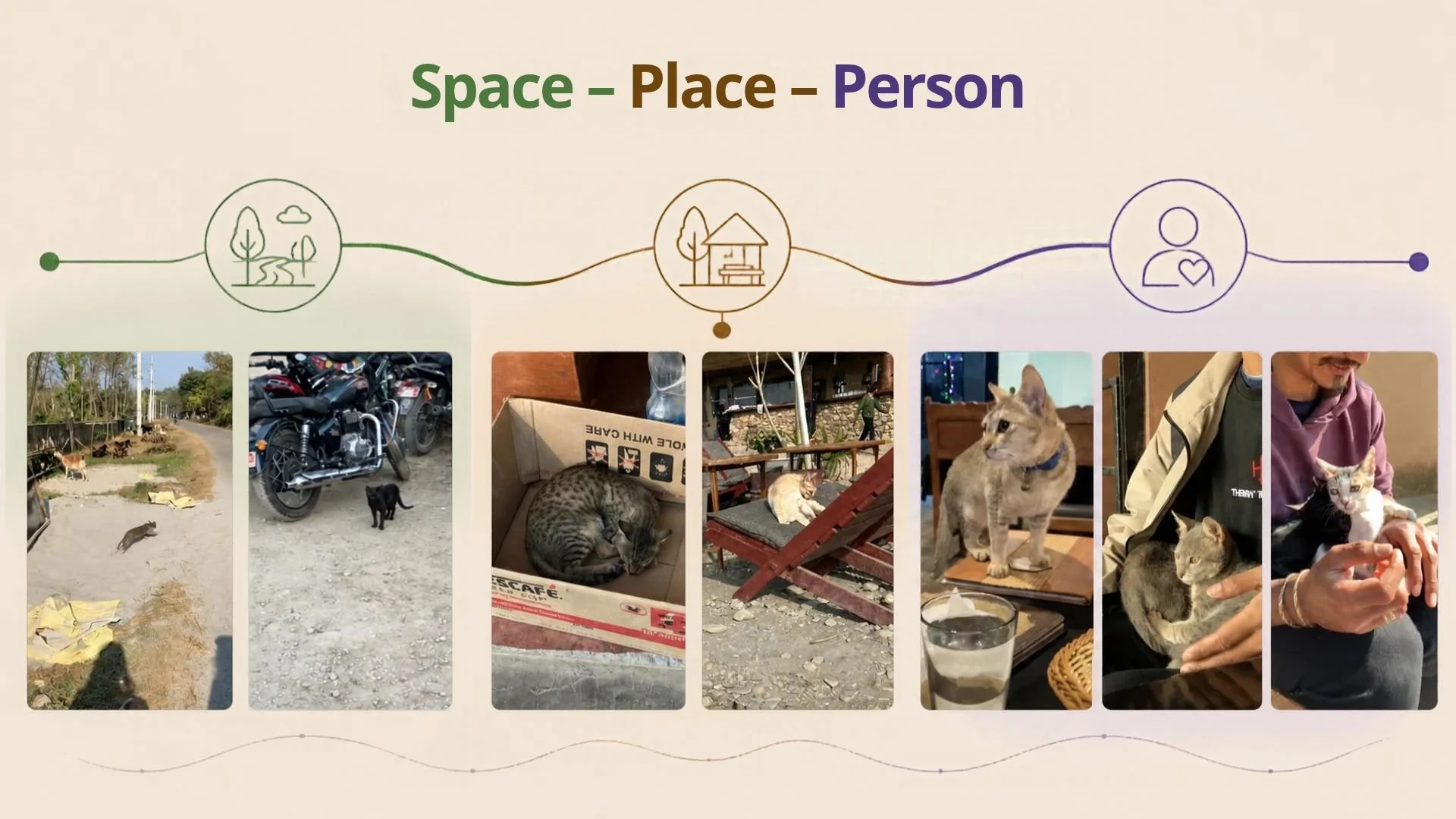
Image made by Kris Hill
However, few individuals neatly fitted in any one box, and the analytical process of considering the relational categories highlighted the blurred and ambiguous boundaries between definitions, which in many cases represented a liminal or transitional state.
Therefore, the discrete codes were reframed as a Space-Place-Person spectrum of cat-human interrelatedness that describes Umwelten transitions – that is the changing environmental perceptions of individuals
This enabled us to document an emerging humano-cat culture - the culture of pet-keeping.
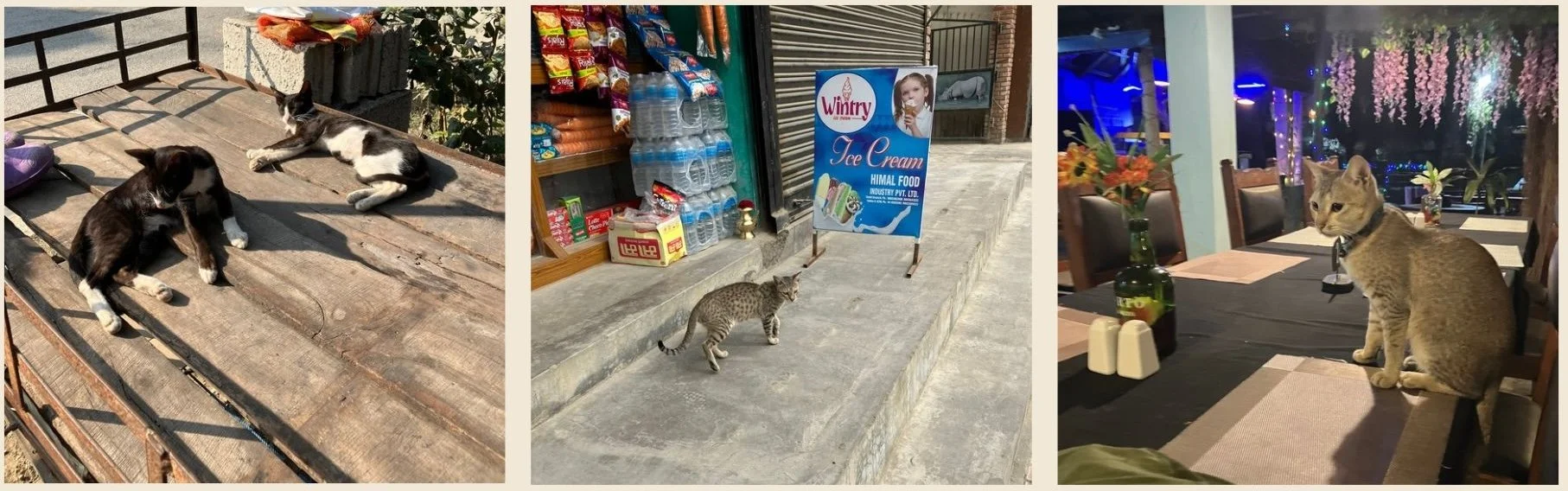
Photos by Kris Hill
Watch a recording of a presentation based on the manuscript: https://youtu.be/iUyGlda1z2s,, which was presented at The Anthrozoology Symposium 2026.
A manuscript based relating to free-roaming and companion dogs is being prepared, and we hope to share the results of this research shortly!
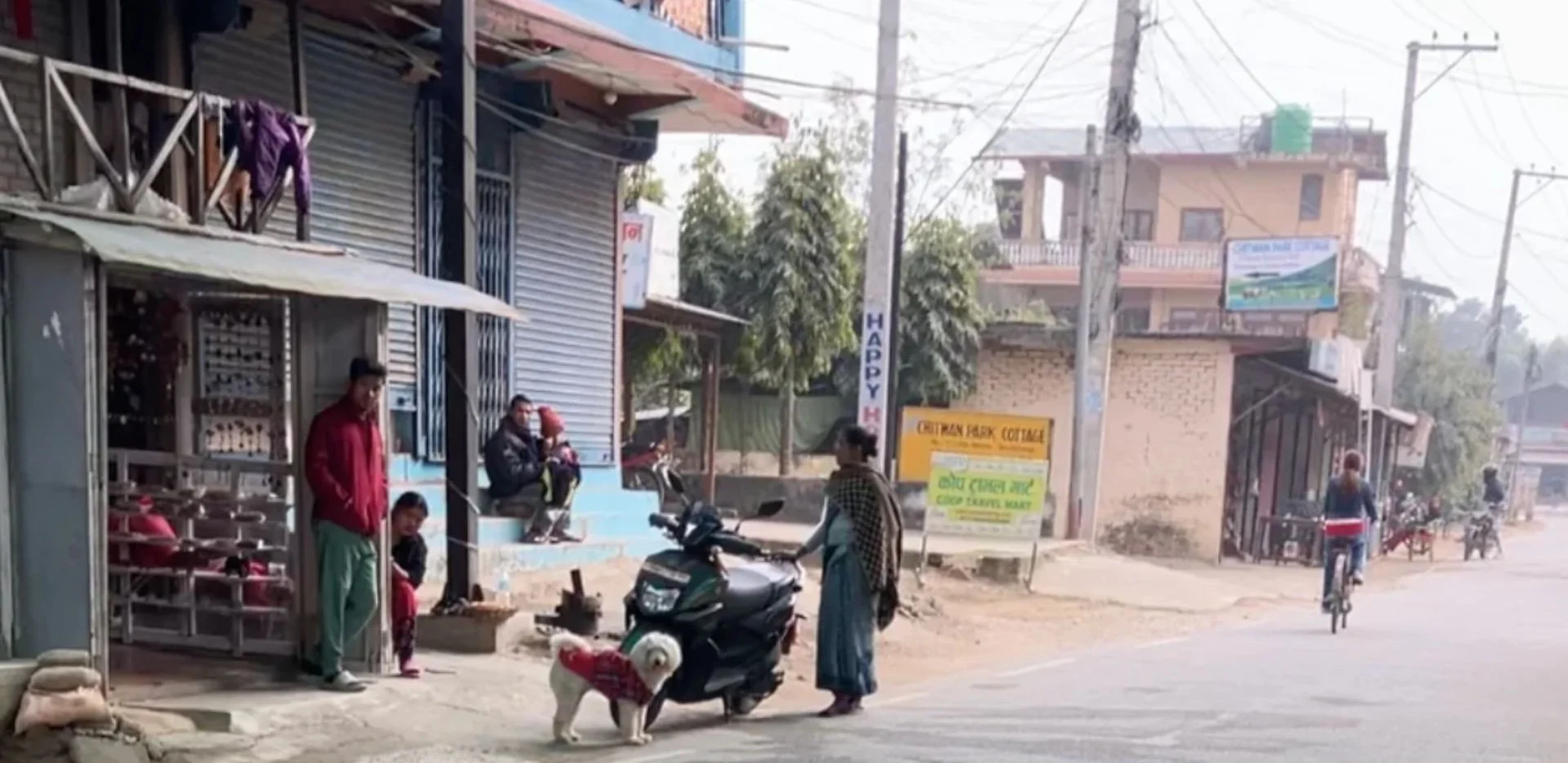
Photo by Kris Hill