
Five Festive Tips for a Happy Pet this Christmas
Do you look forward to the excitement, fun and busyness of Christmas, or do you wish you could just escape it all? Christmas can be a wonderful time of year, but it can also bring stress. It’s not just people that can get stressed at Christmas but also our companion animals. Here are 5 tips to ensure this Christmas is a cheerful one for you and your pet.
Seasonal Stresses
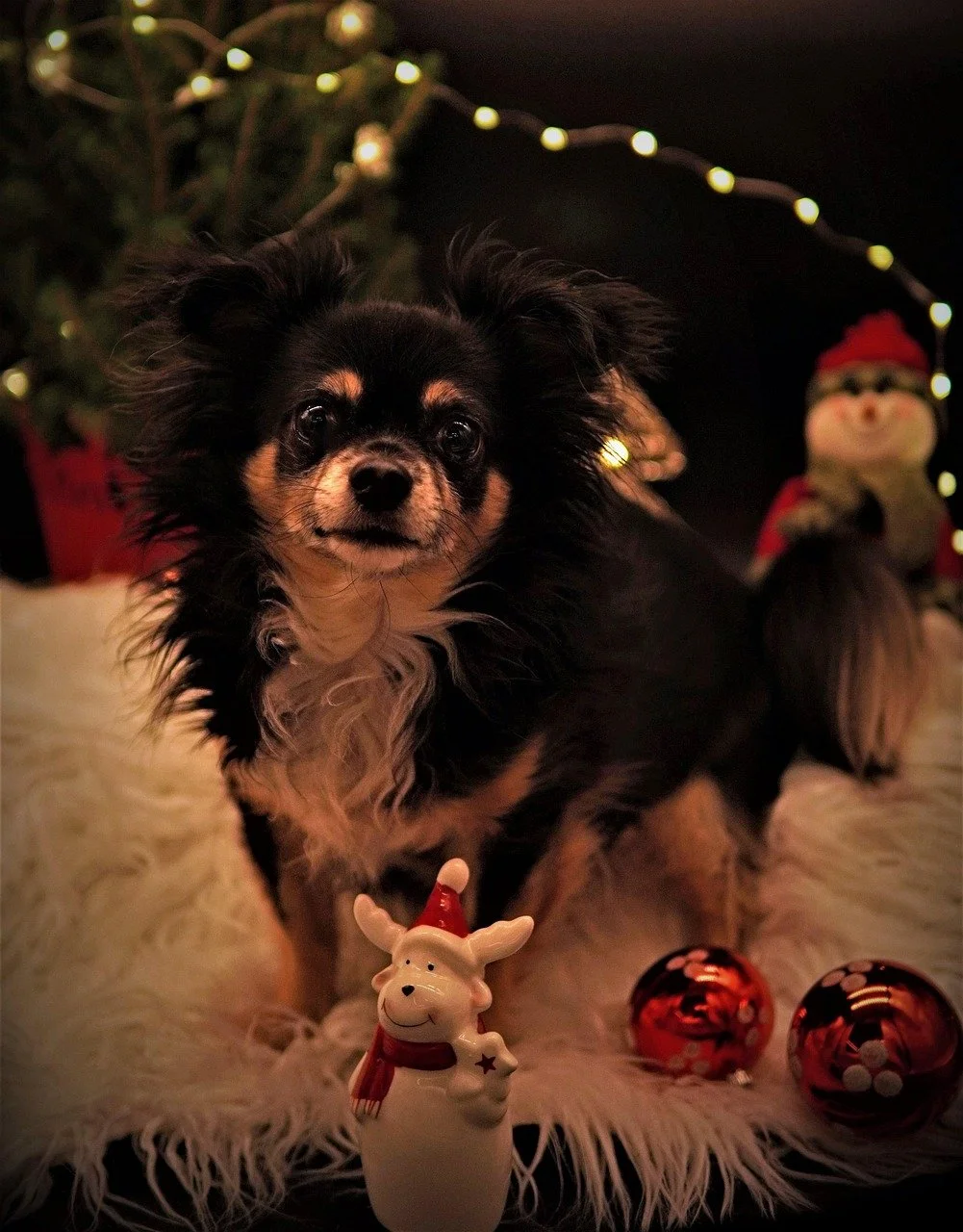
Christmas brings changes that can unsettle pets, like unfamiliar guests, new smells, extra noise, decorations, rearranged furniture—or spending Christmas away from home - all of which can disrupt their routine and sense of security. Keep to the same schedule for your pets’ meals, exercise and bedtime.
The festive season often exposes pets to foods that are harmful, including raisins, sultanas, raisins, grapes, chocolate, alcohol, onions, garlic, poultry bones, xylitol and too many treats. Xylitol is highly toxic for dogs and ferrets. Also called birch sugar, wood sugar or xylene, it is a food additive (EU E967) increasingly used as a sugar substitute in chewing gum, mints, low sugar jams, syrups, cakes, and peanut butters.
Even holiday plants such as poinsettias, tree needles, holly and mistletoe can cause illness, so keep them out of reach, or use artificial plants. Avoid having wrapped food presents under the tree, don’t use chocolate tree decorations and keep children’s stockings and selection boxes out of reach. If you suspect your pet has eaten anything noxious, call your veterinarian for advice immediately. All UK veterinary practices have an out of hours emergency line – make a note of this.
A Safe Haven from Parties & People
To help your pet manage the excitement and potential stress of Christmas, prepare safe spaces ahead of time. Most pets love spending time with their owners but they all need time on their own. If the environment changes, as it often does at Christmas, it is important to give them choices about how much time they spend in the company of people or being petted.
Christmas parties with unfamiliar people wanting your pet’s attention can prove particularly challenging for them. Toddlers and young children visiting may want to play with your pet more than they want to or in ways they find threatening. Provide pet-only access areas and safe havens where they can retreat if they find what is going on elsewhere in the home a bit overwhelming. This can be a separate room if you have the space or a warm resting space out of the way. Pet beds provide a degree of security and many ny cats like to sleep in cardboard boxes especially if placed in a quiet corner or up high. The use of calming pheromones can be very helpful for pets e.g. Adaptil (dogs) and Feliway (cats).
Christmas Tree Chaos
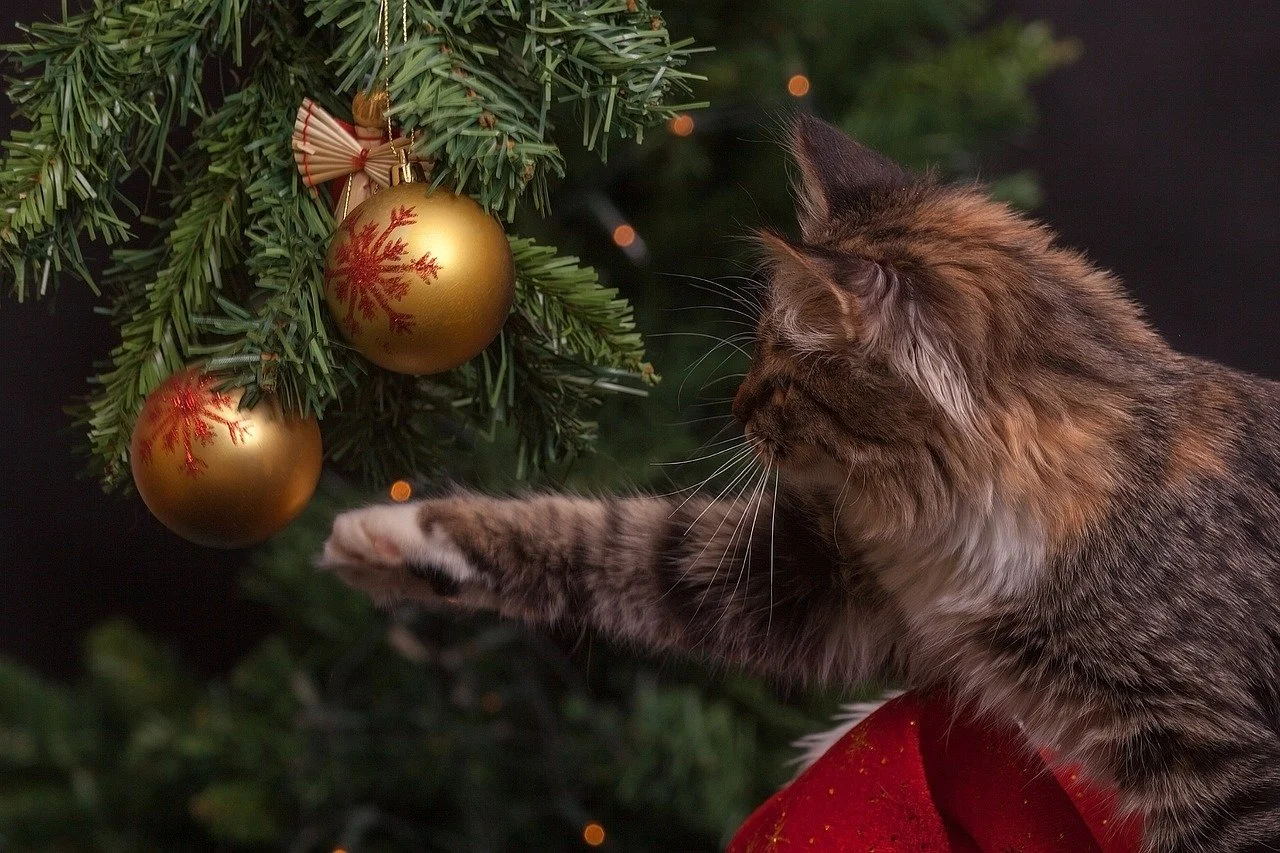
We all love twinkly, sparkly Chrsitmas trees. Cats in particular may also find them irresistible with places to hide in, branches to climb and shiny baubles to bat. But Christmas trees can also pose risks for your cat including eating ornaments, chewing tinsel and getting caught up in lights. Follow these tips on How To Pet Proof Your Christmas Tree to keep your pet out of trouble and out of the vet clinic during the holiday season. Some pets love to climb so it’s best to supervise them when they have access to a Christmas tree to keep them safe. Glass baubles or ornaments that might break easily are best placed higher up in the tree to avoid being batted or broken by your pet. Make sure the tree has a sturdy or weighted base so it won’t fall over if your pet does venture up. Be careful with tinsel as some pets find it irresistible to chew and it can cause serious harm.
Gifts & Games
Wrapping paper, packaging and boxes can provide great enrichment for your pet. Many of them will love pouncing on scunched up paper. Treats can be hidden in packaging for pets to search and most cats love hiding in and playing in boxes. But care also needs to be taken when gifts are opened. Ingestion of ribbons, streamers and string appear to be the most common foreign bodies causing obstruction problems at this time of year and require urgent veterinary attention. Party poppers and small items from crackers and games also pose a risk if they fall to the ground and are not lifted before your pet swallows them. Watch out for snow globes as some contain a form of anti-freeze which can taste attractive to pets but may be lethal if consumed.
Worrisome Weather
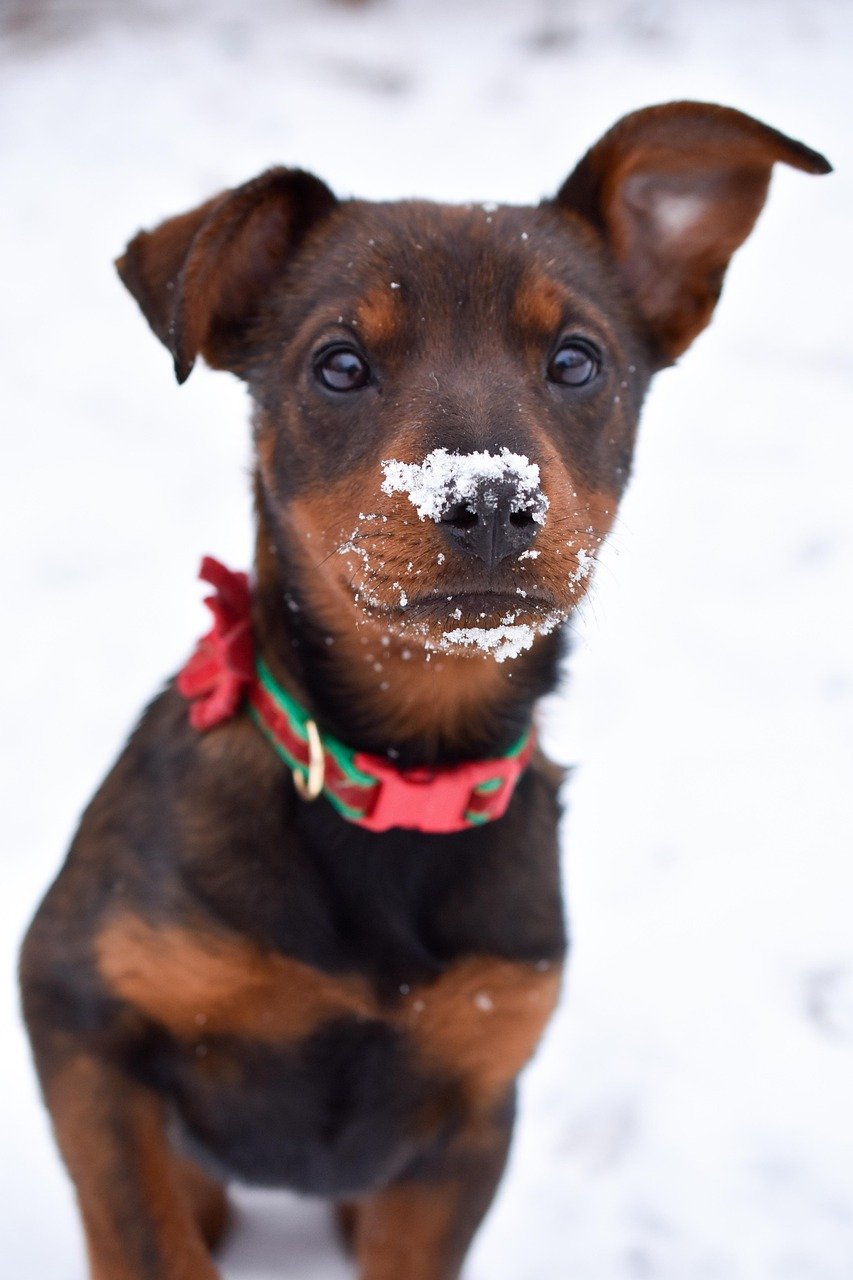
Cold weather poses risks to your pet just as it does to you. Pets often do not go outside as often or for as long as usual when snow or ice are on the ground. They may even refuse to go outside if temperatures drop too low. Young and older pets, slender breeds such as sight hounds and all that are unwell, should have a coat. Wash salt off paws when they return. Keep dogs leashed near iced waterways and rivers in spate.
Be aware of the serious dangers of antifreeze, wipe up spills immediately.
Provide cats with a litter box indoors in a quiet place, away from their feeding area which may need cleaning more frequently than usual while it is cold outside.
Rabbit and guinea pig hutches should be moved indoors and the pets given extra bedding. Aviary birds should have free access to an indoor, heated area.
For pets brave enough to venture outdoors, it is vital they have easy access to return to the warmth of indoors so check pet flaps are working properly. If your pet depends on you to let them in and out, then keep a close eye on them asking to be let back in after they go out so they do not get too cold. If you won’t be there during the day, ensure they have a cosy, warm and draught-free area they can access at all times such as a well lined box in an outside building.
As always, keep an eye on your pet for any signs of illness throughout the holiday season. Pets often mask their symptoms so they can be subtle. If they seem withdrawn, refuse food, or vomit, contact your vet promptly.
The Society for Companion Animal Studies (SCAS) Christmas season wish for everyone is a happy, healthy life with a companion pet for those that can manage the responsibilities. This Christmas season, SCAS wishes you and your pet a very happy and safe time together. Pets at Christmas. Follow us on FB and Twitter (@SCASuk) to share your festive pet pictures and pet stories with us!